
Hard chrome and decorative chroming plating are two distinct processes used in the surface finishing industry, each with its own set of characteristics, applications, and processes. Understanding the differences between these two types of plating is essential for selecting the most suitable option for specific needs and desired outcomes. In this article, we will delve into the characteristics, applications, and processes of hard chrome and decorative chrome plating to provide a comprehensive understanding of their respective roles in various industries.
Characteristics of Hard Chrome Plating
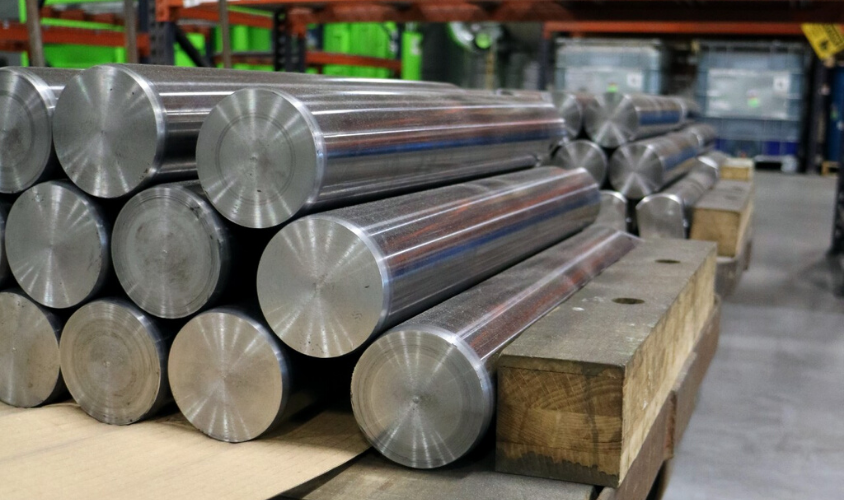
Hard chrome plating, also known as functional chrome plating, is primarily applied for its wear and corrosion resistance properties. The coating produced by hard chrome plating is characterized by its hardness and durability, making it ideal for industrial applications where components are subjected to high levels of stress and wear. Unlike decorative chrome plating, which prioritizes aesthetics, hard chroming plating focuses on functionality, resulting in a matte or satin finish. The thickness of hard chrome plating typically ranges from 0.0005 to 0.010 inches, providing ample protection and durability for components in harsh environments.
Characteristics of Decorative Chrome Plating
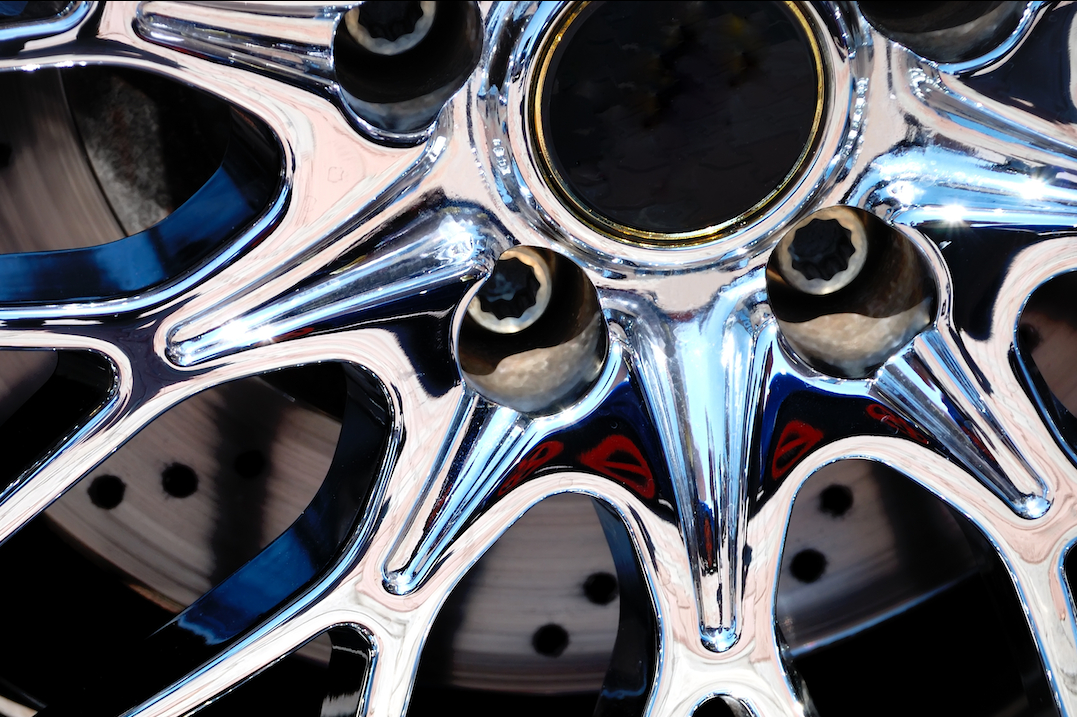
Decorative chroming plating, on the other hand, is applied primarily for its aesthetic appeal. The coating produced by decorative chrome plating is bright and reflective, enhancing the visual appearance of objects such as automotive trim, household fixtures, and jewelry. Unlike hard chrome plating, which focuses on functionality, decorative chrome plating is designed to create a flawless surface finish that is both visually appealing and corrosion-resistant. The thickness of decorative chrome plating is generally thinner than that of hard chrome plating, ranging from 0.00001 to 0.0002 inches, to achieve the desired level of brightness and reflectivity.
Applications of Hard Chrome Plating
Hard chrome plating finds extensive applications in various industries, including aerospace, automotive, and manufacturing. Components requiring wear resistance, corrosion protection, and dimensional restoration benefit from hard chrome plating. Common applications include hydraulic cylinders, piston rods, and machine tooling, where the durability and longevity of components are essential. Precision techniques such as machine honing and cylinder honing are often employed to prepare surfaces for hard chrome plating, ensuring optimal adhesion and performance. Find chroming shop near me now!
Applications of Decorative Chrome Plating
Decorative chroming plating is predominantly used in consumer products and industries where aesthetics play a significant role. Automotive trim, household fixtures, and jewelry are among the many applications of decorative chrome plating. The bright and reflective finish of decorative chrome enhances the visual appeal of these objects while providing corrosion resistance. Achieving a flawless surface finish is crucial in decorative chrome plating processes, often involving internal polishing and buffing techniques to create a mirror-like shine.
Process of Hard Chrome Plating
The process of hard chrome plating involves several steps to ensure the quality and integrity of the plated component. Surface preparation is critical, involving cleaning and activation to promote proper adhesion of the chrome layer. The electroplating process follows, where the component is immersed in a chromium solution and subjected to an electric current. This causes chromium ions to be deposited onto the surface, forming a thin layer of hard chrome. Quality assurance measures are implemented throughout the plating process to verify compliance with industry standards and client specifications.
Process of Decorative Chrome Plating
The process of decorative chroming plating is similar to that of hard chrome plating but with a focus on aesthetics. Brighteners and additives are used to achieve the desired level of brightness and reflectivity in the plated finish. Polishing and buffing techniques are employed to create a flawless surface finish, enhancing the visual appeal of the plated object. Additional steps may be taken to further enhance the brightness and reflectivity of the plated surface, ensuring a high-quality finish that meets customer expectations.
Supplementary Coatings: Metal Spray and Thermal Spray
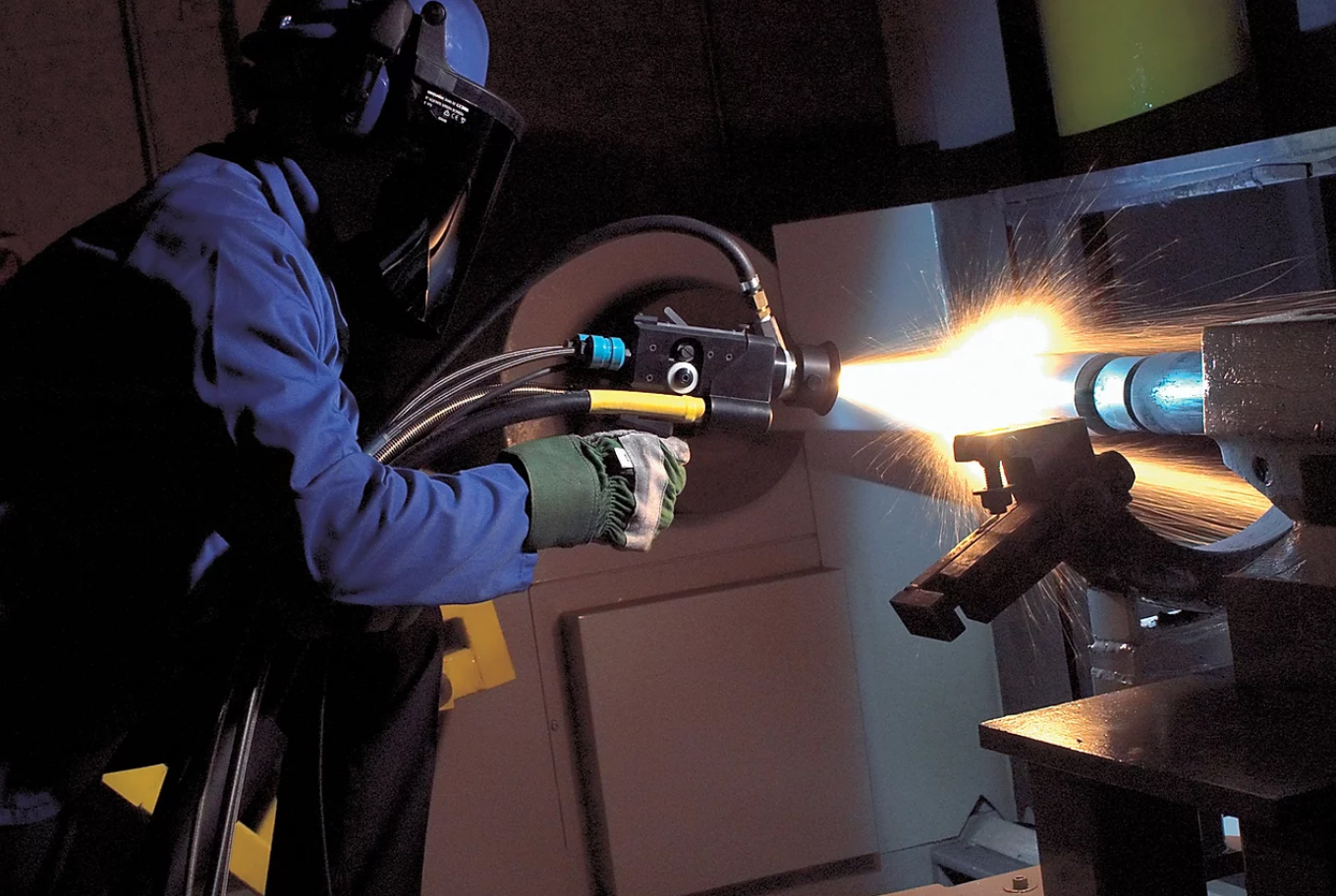
In addition to hard chrome plating, hvof masking such as metal spray and thermal spray are often applied to further enhance the protection and performance of components. Metal spray involves depositing a layer of molten metal onto surfaces, providing additional corrosion resistance and wear protection. Thermal spray metal coating, on the other hand, applies a thin, durable coating using a thermal process, offering superior protection against heat and abrasion. These supplementary coatings complement hard chrome plating, offering comprehensive solutions for various applications in demanding environments.
Comparative Analysis of Hard chrome and Decorative Chrome Plating
In conclusion, the differences between hard chrome and decorative chrome plating lie in their characteristics, applications, and processes. Hard chrome plating prioritizes functionality, offering wear and corrosion resistance for industrial components. Decorative chrome plating, on the other hand, focuses on aesthetics, providing a bright and reflective finish for consumer products. By understanding these differences, businesses can make informed decisions when selecting the most suitable plating option for their specific needs and desired outcomes. Contact us now!